
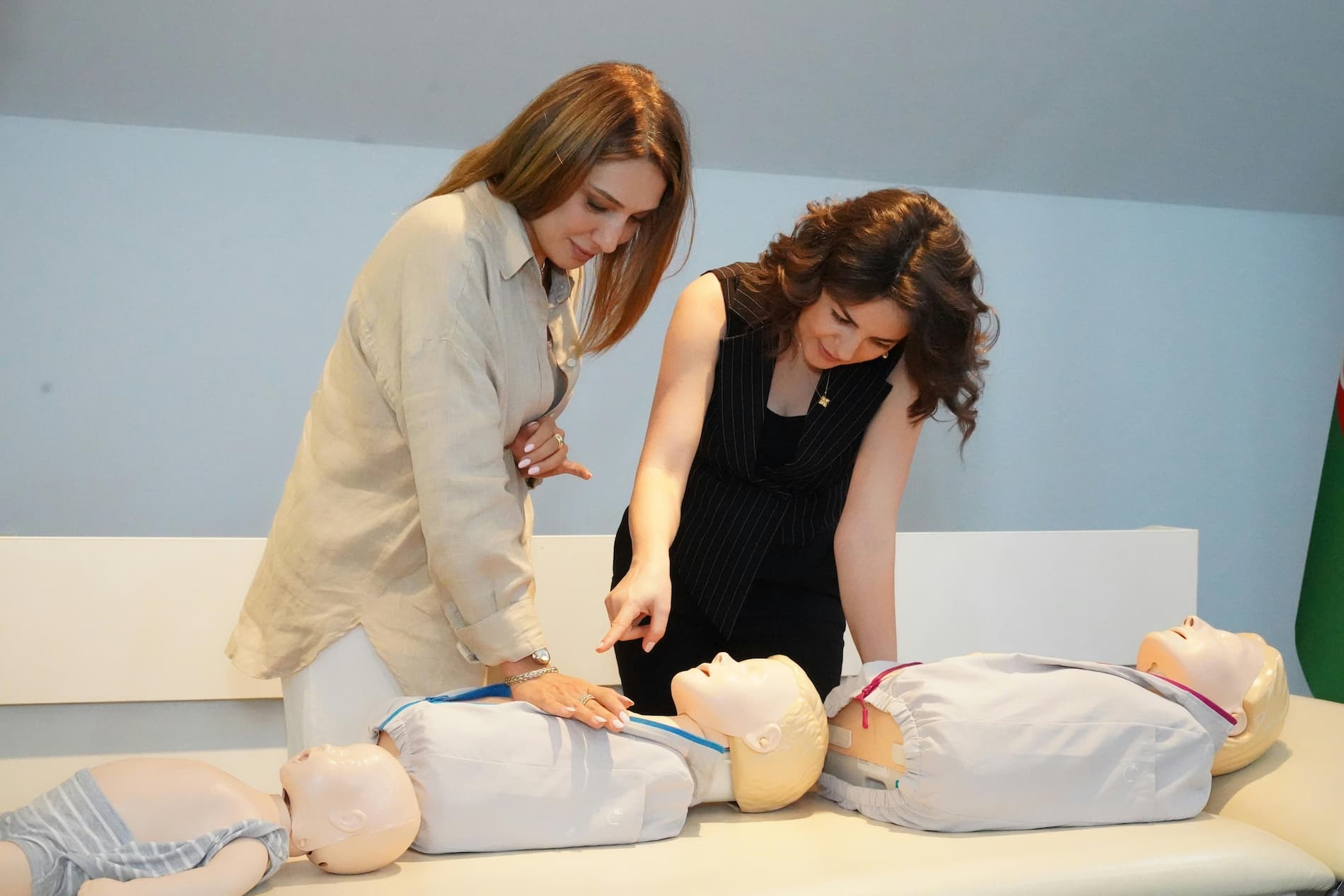
Workshop – First Aid – Stress Management and Collaboration in Prehospital Emergency Situations
Why attend?
Have you ever thought about how you would react in a real emergency? Would you know what to do if someone near you lost consciousness, suffered a cardiac arrest, was poisoned, or was involved in an accident? In such moments, stress levels are extremely high, and a lack of coordination and communication can mean the difference between an effective response and a delayed one.
This workshop on stress management in emergency situations is designed to help students understand how to respond appropriately, calmly, and in a coordinated manner in critical situations until specialized medical teams arrive.
In emergency situations, controlling your emotions, making quick decisions, and collaborating effectively with those around you are essential. By participating in this workshop on stress management in emergencies, you will learn how to manage your stress in critical situations, how to communicate effectively with other bystanders or first responders, and how to properly perform first aid procedures without endangering your own safety.
This activity is part of the workshop component of the project Practindermed project and contributes to the development of the transferable skills necessary for integration into the labor market. The workshop is designed for the 251 students involved in the project and aims to develop their ability to respond, collaborate, and manage stress in pre-hospital emergency situations.
What will you learn?
Outcomes
You’ll practice first aid techniques in a specially equipped space—complete with all the necessary equipment, similar to a hospital emergency room
You’ll take part in simulations alongside trainers—specialist doctors—for a realistic, hands-on experience
You'll receive a certificate of participation—which you can include in your personal professional development portfolio