Project Description
NextGenMobility is a project dedicated to developing inclusive and sustainable urban mobility solutions for young people. It is based on how young people perceive and use mobility systems in European cities. The project addresses challenges such as long commutes, insufficiently integrated transportation options, and a lack of multifunctional public spaces. These conditions affect young people’s quality of life and can contribute to their migration to other regions.
Project Objective
The main goal of the project is to develop a youth-centered approach to urban mobility planning by integrating young people’s perspectives on accessibility, safety, autonomy, and social inclusion into the decision-making process. The project explores how the concept of the “15-minute city” can be adapted to different urban contexts to better meet the needs of younger generations.
Main Activities
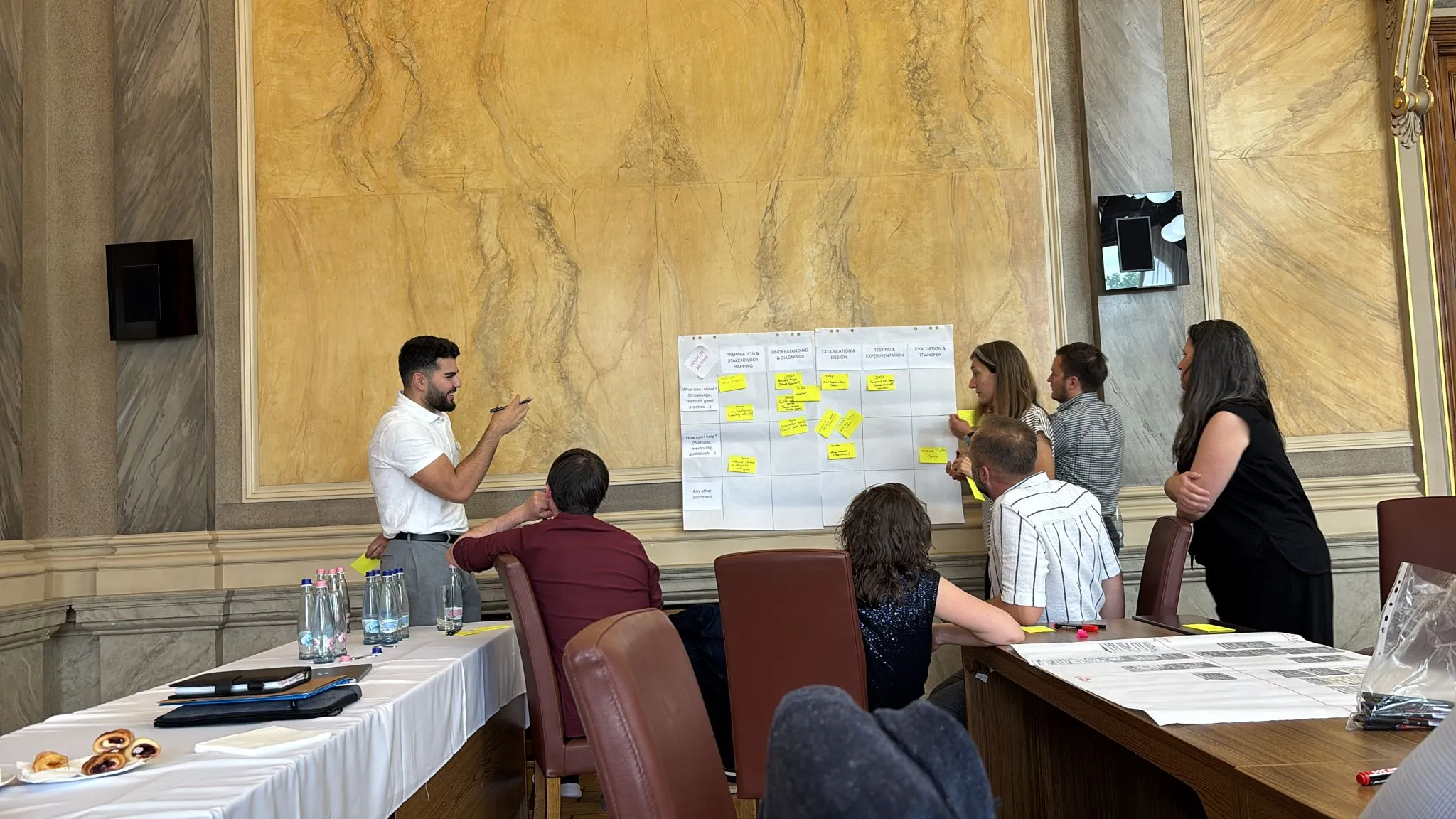
Through applied research, digital urban modeling, mobility audits, and co-creation processes, the project aims to understand how young people experience time, space, and movement in their daily lives. The results will form the basis for developing and testing mobility interventions that are sustainable, equitable, attractive, and tailored to users’ actual needs.
The project promotes the active involvement of young people in identifying challenges and formulating solutions, thereby contributing to the creation of more relevant and effective mobility policies and measures. At the same time, the initiative supports the integration of young people’s perspectives into urban planning processes and local development strategies.
Impact of the Project
In the long term, the project contributes to:
- the development of more inclusive and accessible urban mobility systems;
- increasing the use of low-carbon transportation options;
- improving young people’s access to education, jobs, and services;
- strengthening youth participation in urban development processes;
- reducing the factors that may encourage young people to leave their local communities;
- promoting cities that are more equitable, more resilient, and more forward-looking.
Essentially, NextGenMobility aims to develop urban mobility solutions based on the real experiences and perceptions of young people, helping to create communities that are more attractive, more sustainable, and better suited to the needs of future generations.